December 2, 2009
Seminar
Rich Rosen:
THE CENTURY AHEAD - FOUR GLOBAL SCENARIOS
Date
December 2, 200913:00-14:00
Location
Schumpeter SaalDIW Berlin im Quartier 110Anton-Wilhelm-Amo-Straße 5810117 BerlinSpeakers
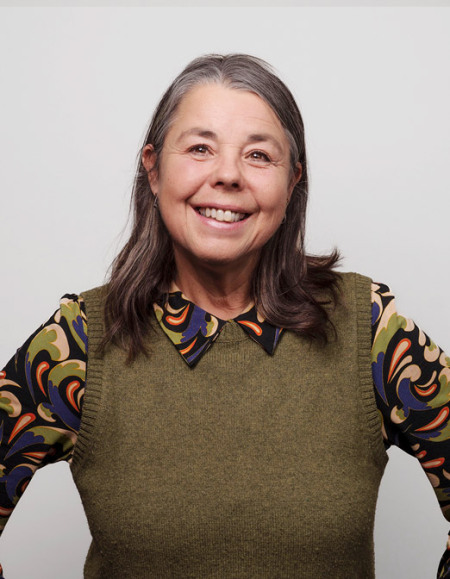
Rich RosenRich Rosen, Tellus Institute, Boston
Over the last decade, concern as to the sustainability of nature and society has greatly increased, and with good reason. Environmental scientists say with ever greater urgency that action must be taken immediately to begin to mitigate climate change if unacceptable levels of warming are to be avoided. Additional strong action must be taken to ease the severity of other crises such as energy, water and food shortages. Similarly, development experts reviewing the full range of human, economic, and institutional crises as they unfold see the need for immediate action on many other fronts to mitigate poverty and oppression, to strengthen social justice, and to enhance human well-being.
Dealing with these crucial environmental and development issues begins, then, to address the even broader issue that has been hotly debated for many years, namely can the world achieve a state of “sustainable development” within the next century, or so. But how can "sustainable development" be defined and quantified? How do we know what pathway to sustainable development to take? Using its Polestar scenario development software, the Tellus Institute has developed four scenarios through the year 2100, one of which, the Great Transition scenario, starts to illustrate quantitatively what sustainable development might look like while the world meets approximately a 350 ppm CO2 target for the atmosphere. The other three scenarios are entitled: Market Forces, Policy Reform, and Fortress World. This work takes off from the work of the Global Scenario Group of ten years ago.