Working group socio-ecological transformation
As part of their research on socio-ecological transformation (SET), researchers from various departments at DIW Berlin are examining the risks, costs, and benefits of this transformation for private households, businesses, and government actors in Germany and Europe. Building on the institute's previous focus areas, DIW Berlin researchers are particularly interested in economic and social science issues surrounding the energy transition, the decarbonization of businesses and households, and the social impacts of the transformation.
Welfare effects and social implications
selected publications and interviews
Further publications keyboard_arrow_up
More publications on the topic of welfare effects and social implications
Decarbonization of businesses and households
selected publications and interviews
Further publications keyboard_arrow_up
More publications on the topic of decarbonization of businesses and households
Energy transition and resource markets
DIW publications
Refereed articles
Further publications keyboard_arrow_up
More publications on the topic of energy transition and resource markets
Researchers

Researcher

Deputy Head of Department

Researcher

Researcher

Researcher

Researcher

Ph.D. Student

Ph.D. Student

Researcher

Head of Department
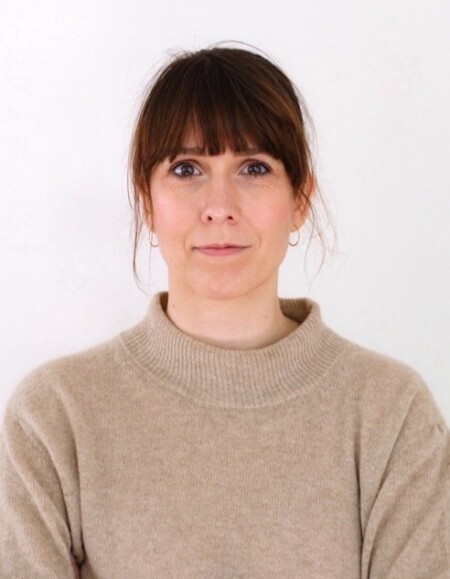
Researcher

Ph.D. Student

Head of Department

Researcher
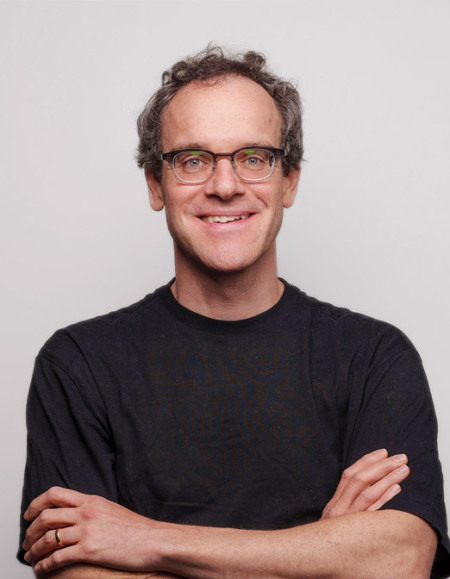
Head of Division

Deputy Head of Department
Deputy Head of Department

Ph.D. Student

Ph.D. Student

Ph.D. Student
Researcher
Deputy Head of Department
Researcher
Researcher
Researcher
Researcher
Ph.D. Student
Ph.D. Student
Researcher
Head of Department
Researcher
Ph.D. Student
Head of Department
Researcher
Head of Division
Deputy Head of Department
Ph.D. Student
Ph.D. Student
Ph.D. Student