26. Januar 2026
DIW-OECD Industrial Strategy Dialogue
Industrial Policies and Market Dynamism – what role for competition policy in industrial strategies?
Termin
26. Januar 202611:30 - 13:00 Uhr
Ort
Elinor Ostrom HallDIW BerlinAnton-Wilhelm-Amo-Strasse 5810117 BerlinSprecher*innen
Nicola Brandt, Markus Heß, Ori Schwartz, Tomaso DusoAmidst a global battle for technological leadership in fast-changing and emerging industries, Europe has been losing competitiveness. Productivity remains weak. While innovation is taking place in the EU, its large-scale commercialisation often occurs abroad – along with the creation of new firms and employment that accompany it. Industrial policy could help address these challenges, but too often is design to shield firms, industries and innovation activity from international competition. Our panel discussion will explore the role of competition policy as a cornerstone of successful industrial and innovation policies, and how industrial policies can be designed to foster, rather than hinder competition. What policies can strengthen competition in the EU, and how will they foster innovation, internationalisation and productivity growth?
What role can a less fragmented Single Market and a more integrated capital and banking union play in supporting such strategy?
In his keynote speech, Tomaso Duso, Head of the “Enterprises and Markets” department, emphasized the central importance of competition for achieving industrial policy goals such as international competitiveness. Against the backdrop of years of declining competitiveness of European economies vis-à-vis the US and China, as well as increasing corporate concentration in many sectors, he argued for consistently aligning industrial policy decisions with competition and systematically considering competition perspectives.
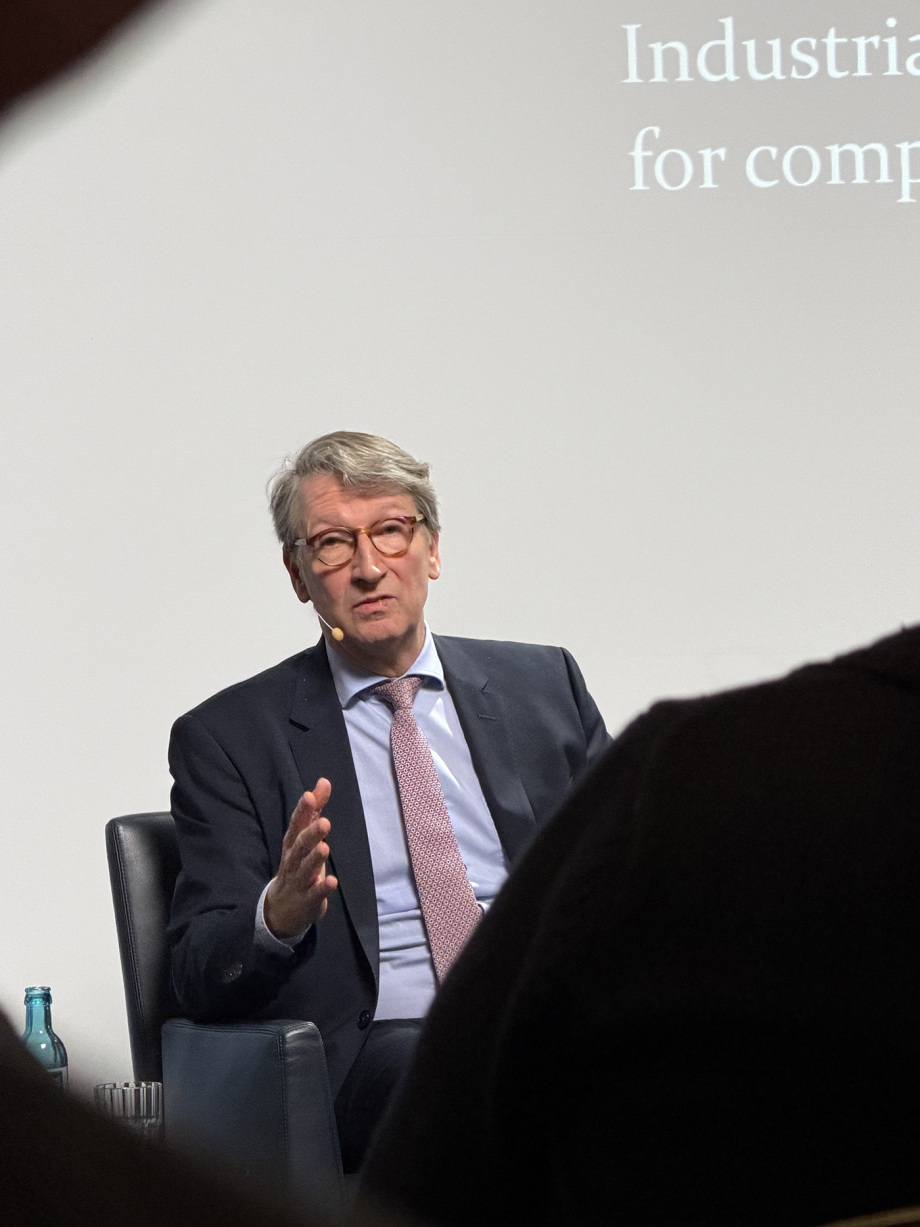
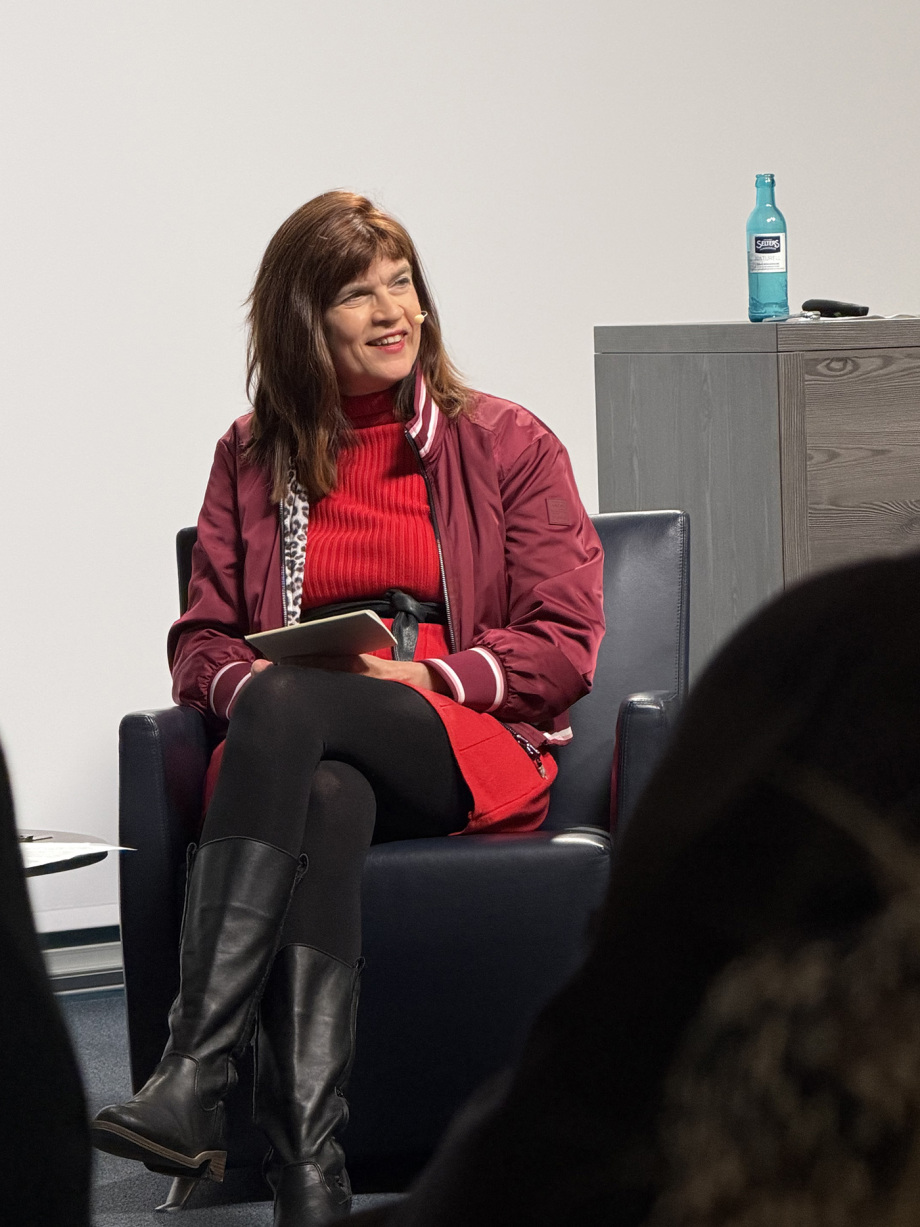
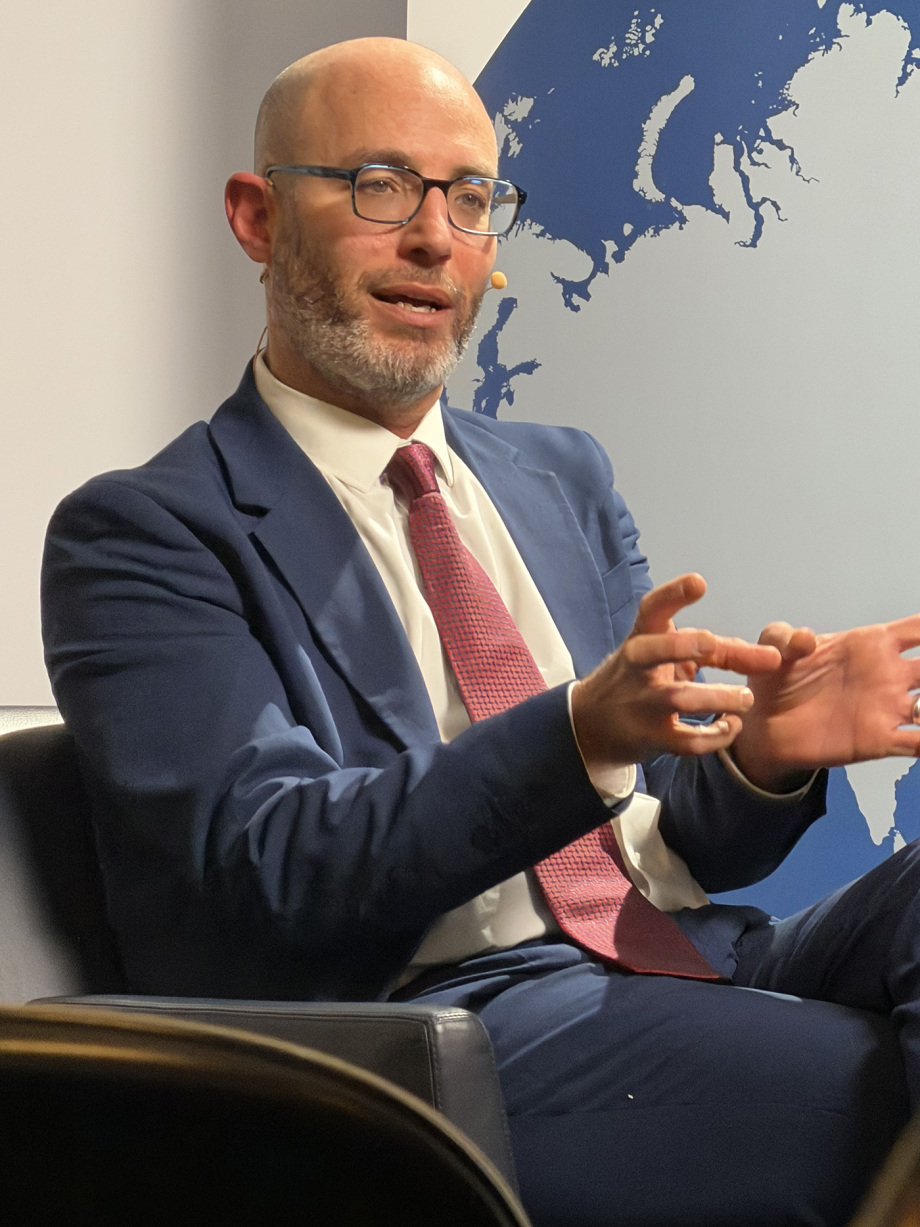
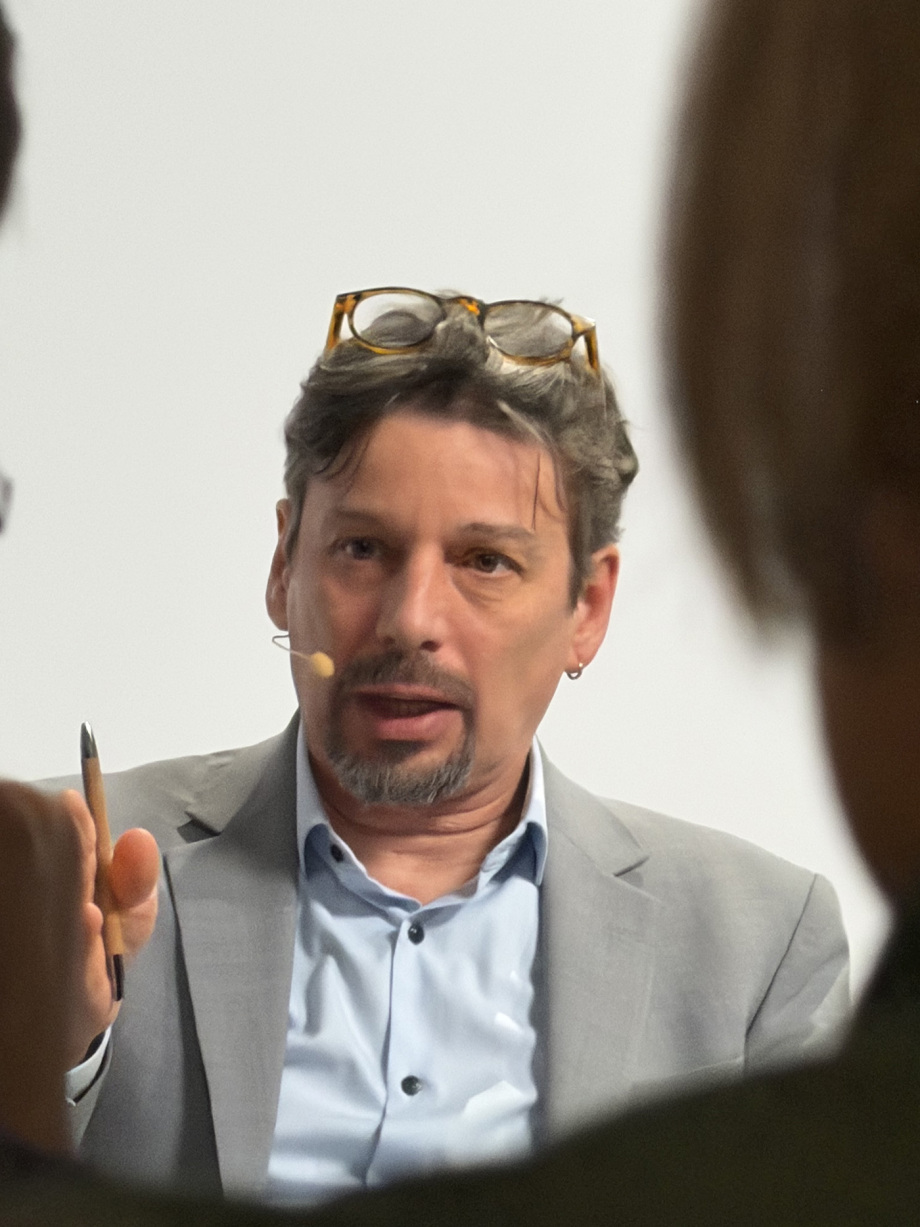
In the subsequent panel discussion between Tomaso Duso, Markus Heß (Head of Division, Industrial Policy Issues at the Federal Ministry for Economic Affairs and Energy) and Ori Schwartz (Head of the Competition Division at the OECD), the role of competition policy as a central element of modern industrial policy and the challenge of making innovation promotion through subsidies competition-friendly were discussed. Other topics of focus included fair access to government support for small and young companies, the role of public procurement, the special requirements of digital markets, and the green transformation. Overall, it became clear that industrial and competition policy must be closely coordinated in order to ensure innovation and fair competition in the long term. The event was moderated by Nicola Brandt (OECD Berlin Centre).
Video Review
 play_arrow
Video ansehen
play_arrow
Video ansehen
Beim Abspielen des Videos gelangen Sie auf die Webseite von YouTube, die Daten von Ihnen sammelt.
Mehr erfahren Sie in unseren Datenschutzbestimmungen.
LIVESTREAM: Industrial Policies and Market Dynamism: What role for competition policy in industrial strategies?
Gallery


Speaker
Presentation: Tomaso Duso, Head of Department of the Firms and Markets at DIW Berlin and Chairman of the Monopolies Commission
Discussion:
Markus Heß, Deputy Director General Industrial Policy and Future Mobility, Federal Ministry for Economic Affairs and Energy
Ori Schwartz, Head of the OECD Competition Division
Moderated by: Nicola Brandt, OECD Berlin Centre
Successful industrial strategies require well-designed policies that coordinate many areas, ranging from trade, competition, technology and innovation policies to standards setting, regulation and skill development. The Berlin-based DIW-OECD industrial strategy dialogues bring together key stakeholders from policy, business and think-tanks to discuss cutting-edge research and what works for Germany, Europe, and their global partners.


Partner

- 1/1